

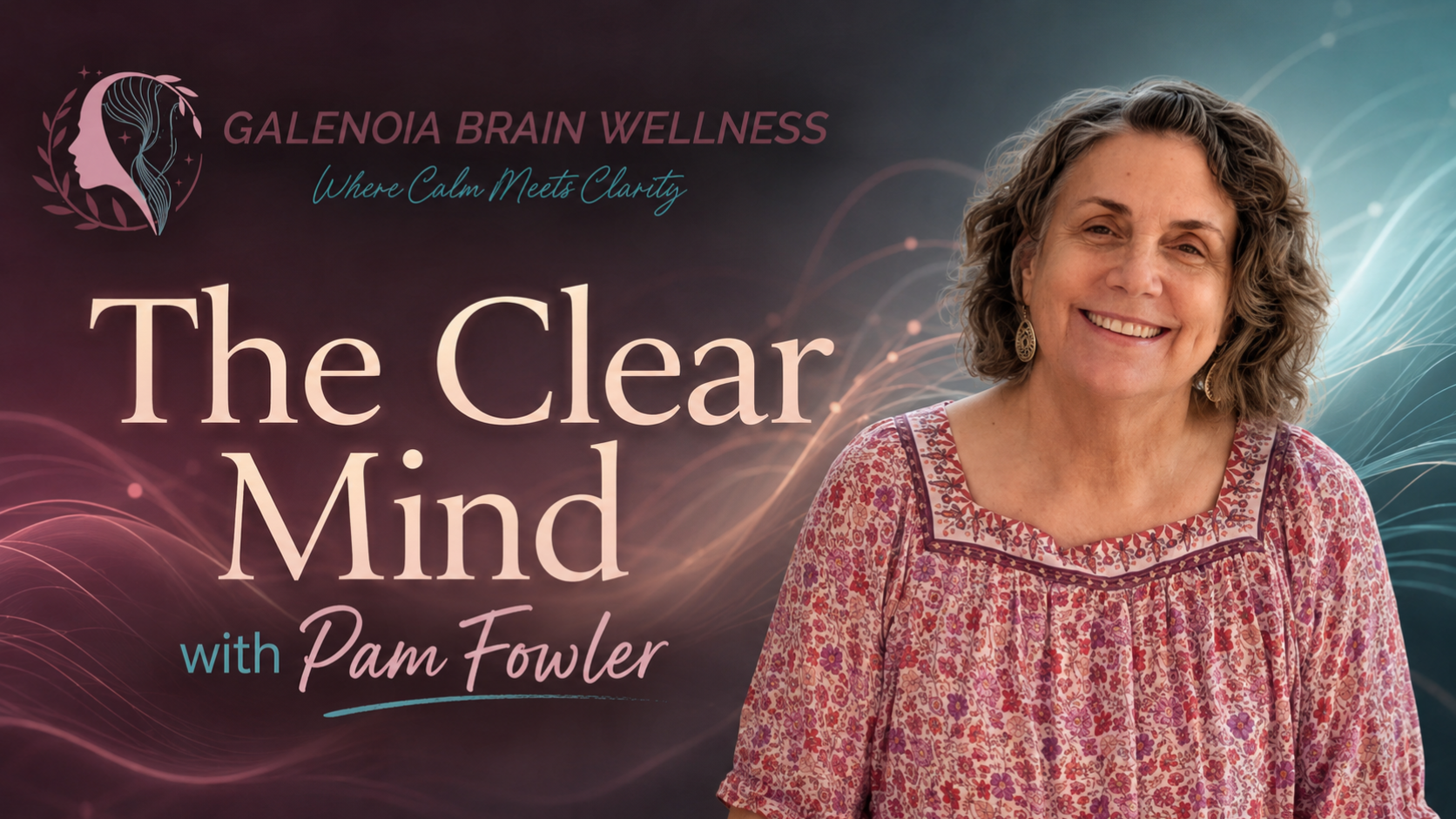
Pam Fowler explains how repeated reactions can become familiar patterns and how people can practice a different response.
A familiar reaction can feel immediate. A tense commute, a difficult message or an overloaded morning may bring the same tight shoulders, racing thoughts or urge to act before a person has had time to consider another response. Pam Fowler of Galenoia Brain Wellness in Huntsville encourages people to notice that repetition without treating it as a fixed part of who they are.
Fowler describes the brain as a system that learns through repeated patterns. That idea can give people a practical way to look at everyday stress. The goal is not to blame oneself for a quick reaction or promise a cure through willpower. It is to recognize a familiar response, create a little room before following it and practice a different next step when it is safe to do so.
A familiar response can become a well-worn path
Fowler used a simple example to explain why patterns can be so powerful. When someone hears the first words of a familiar song or rhyme, the next line often arrives before any deliberate effort. “Your brain remembers things in patterns,” Fowler said.
She compared repeated responses to a path through a wheat field. The first trip presses down a few stalks. Repeated trips make the same route easier to see and easier to take. In daily life, a familiar route can be helpful. People rely on habits to get ready for work, drive familiar streets and complete routine tasks without having to make every decision from the beginning.
The same efficiency can become frustrating when a person repeatedly responds to ordinary pressure with an alarm reaction. Fowler said a familiar path may be easy simply because the brain has practiced it often. “Some of those paths actually aren't that healthy,” she said. “They're just easy.”
That observation can be useful for people who notice a recurring pattern. A rushed morning might lead to sharp self-talk. A crowded schedule might lead to skipping meals, losing sleep or carrying tension long after a demanding moment has passed. The pattern does not establish a diagnosis, and it does not mean every difficult feeling has one cause. It can, however, offer a clear place to start paying attention.
Pause before the old pattern gathers speed
The first practical step is often naming the moment without judgment. A person might say silently, “I am getting keyed up,” or “I am expecting the worst.” That short pause does not solve the underlying problem. It can interrupt the rush to respond and make room for a choice.
Fowler’s field image also suggests a modest approach. A new response does not have to be dramatic. It may be a few slow breaths before replying to a message, a brief walk before returning to a difficult task, a glass of water and a meal break during a hectic day or a decision to write down the next task instead of trying to hold every concern in mind.
Small actions are easier to repeat, and repetition is the point. Someone who has always moved from stress into a fast, anxious response may begin by practicing one alternative in one predictable setting. The new action may feel awkward at first because it is less familiar. With time, it can become a more available option.
Fowler discussed neuroplasticity, a term used to describe the brain’s capacity to adapt through learning and experience. That concept should be handled with care. It does not mean a person can think away trauma, depression, panic, pain or a medical condition. It does support a practical truth that many people recognize in daily life. Repeated practice can shape skills, routines and responses.
When a pattern calls for more support
Self-directed practices have limits. Persistent anxiety, panic attacks, severe sleep disruption, thoughts of self-harm, substance misuse or symptoms that interfere with work, family life or daily functioning deserve professional attention. A physician or licensed mental health professional can evaluate symptoms, discuss treatment and help rule out medical causes.
Fowler’s point is especially useful before a pattern becomes a moral judgment. A person who feels stuck is not failing because a familiar reaction appears quickly. The brain is responding in a way it has learned. Curiosity, patience and appropriate care can be more productive than shame.
For an ordinary stressful moment, it may help to ask one specific question. What is the smallest safe action that would make this next five minutes different? The answer may be a slower breath, a short walk, a request for help, a written list or a decision to step away from a heated exchange. The action will not remove every stressor. It can help turn attention toward a response that is more deliberate and supportive.
The information in The Clear Mind is for general educational purposes and is not a substitute for diagnosis or treatment from a qualified health care professional.
About Galenoia Brain Wellness
Galenoia Brain Wellness is a Huntsville practice offering neuroscience coaching, workshops and IASIS Microcurrent Neurofeedback, also known as IASIS MCN. The IASIS MCN device is indicated for relaxation training and muscle reeducation. Information about the service is educational and is not a substitute for medical diagnosis or treatment.
Galenoia Brain Wellness is located at 1217 15th Street, Suite 6, Huntsville, TX 77340. Learn more at galenoiabrainwellness.com, call (346) 988-6794 or email pamfowler@galenoiabrainwellness.com.