
The veteran-led nonprofit says free visits, newsletters and handmade cards can help older service members stay connected in care facilities.
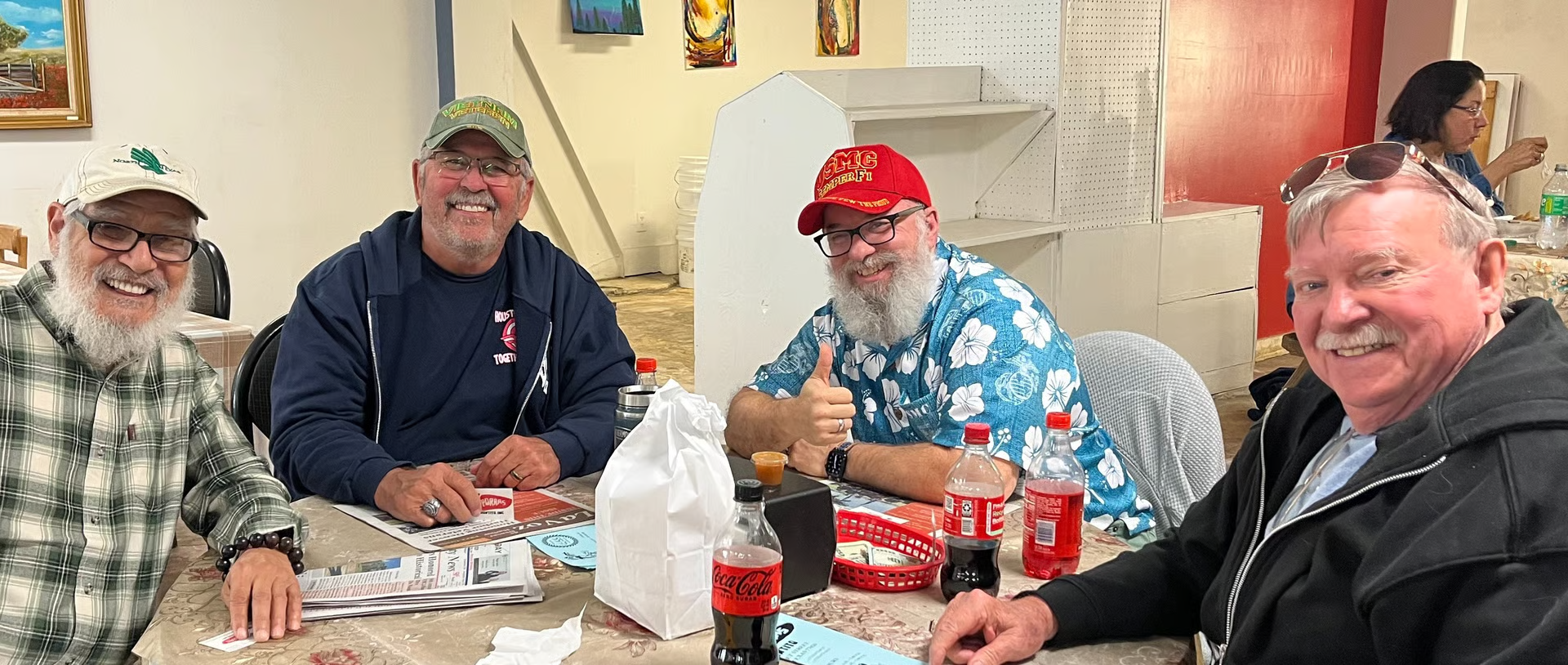
HUNTSVILLE, Texas. Wisecrack Warriors Society is bringing free veteran-to-veteran visits to Huntsville seniors in care facilities, pairing coffee, donuts and military banter with a stated mission of helping older service members stay connected and remembered.
The Wisecrack Warriors Society is a veteran-led 501(c)(3) organization focused on senior veterans in assisted living communities, nursing homes, rehabilitation centers, memory care facilities and other care settings. On a Hello Huntsville livestream Monday, group president Curtis Cole said the organization is already making visits at Carriage Inn Huntsville, a senior living community on Lake Road.
The organization says that veterans "deserve to be remembered, visited, and given a reason to laugh." That idea runs through both the group’s outreach model and its more playful internal culture, which includes nicknames, newsletters, a birthday club and what it calls comedic commendations.
For Huntsville families with aging relatives in long-term care, the group’s local activity offers something many service organizations do not. It is not built around a fundraiser, a one-time ceremony or a holiday event. It is built around repeat visits, peer conversation and the familiar shorthand that often exists when veterans begin talking with one another.
How the Huntsville visits work
Cole said on the livestream that Wisecrack Warriors Society works through activity directors at care facilities, offering to come in, meet veteran residents and spend time visiting with them. He said the group brings donuts and sometimes coffee, introduces members by nickname and shares its newsletter on first visits so residents understand who is coming through the door.
That process lines up with the organization’s public website, which invites readers to request a visit for a veteran and says visits are always free. The site says the group provides direct outreach, monthly newsletters, birthday cards, Christmas cards and volunteer activities intended to keep older veterans engaged.
Carriage Inn Huntsville, which offers independent and assisted living at 2805 Lake Road, is one of the places Cole identified by name during the Monday conversation. Its public website describes a community with organized activities, assisted living support and a resident population that includes older adults who may benefit from regular outside contact and social interaction.
Cole said the first few minutes can be cautious as residents try to figure out who the visitors are and why they have shown up. He said that changes quickly once the conversation settles in and veterans begin trading stories in a way civilians usually do not. He described the opening period as brief and said the residents often begin talking freely once they sense the group is legitimate.
That detail matters because the organization is not presenting itself as a counseling service or a formal therapy provider. Its role is narrower and more personal. Members show up, introduce themselves, stay in the room and create enough comfort for conversation to happen.
Why the group focuses on laughter and familiarity
The Wisecrack Warriors Society website says its mission is to "strengthen veteran mental wellness through humor, conversation, and consistent connection." The wording is light, but the underlying concern is serious. Isolation can deepen for older adults in care settings, and veterans can carry service experiences they rarely revisit with people who understand the language, tone or dark humor that often come with military life.
Cole described one recent interaction that captures why the group believes the model works. He said a veteran the group had visited multiple times eventually began talking at length after earlier meetings had been more guarded. Cole said the man told the group no one had talked with him about his military service since the Korean War. Cole said the group let him keep talking because that was what he needed in the moment.
That anecdote fits the broader structure the group has built around humor with boundaries. Wisecrack Warriors Society publishes a public rules-of-engagement page that emphasizes consent, respect, clear limits on sensitive topics, withdrawal without pressure and a ban on malicious intent. The same page says humor should be inclusive and should never become a way to hurt, embarrass or demean someone.
That balance is important to understanding the organization. The group’s public materials are full of jokes, over-the-top commendation names and playful descriptions of veteran banter. At the same time, the rules page makes clear that the humor is supposed to build trust and camaraderie, not create another social barrier for someone who already feels alone or out of place.
The group’s public commendations page reinforces that personality. It lists dozens of joke awards and comic titles, but even there the themes are shared laughter, good sportsmanship and shifting tense moments back toward connection. For senior veterans in care facilities, that tone may be part of the appeal. It gives the visit structure without making it feel clinical.
What the group wants from Huntsville families
Wisecrack Warriors Society is also using simple, low-cost follow-up tools to keep veterans connected after a visit ends. Cole said on the livestream that the group produces a newsletter, sends monthly birthday cards and is building a Christmas card campaign using designs members create and print themselves in order to hold down costs.
The organization’s website points readers toward the same practical next step. It invites families, facilities and supporters to request a veteran visit or sign up for its newsletter and card club. That makes the entry point fairly direct for Huntsville residents who know an older veteran in assisted living, rehabilitation or memory care.
Local relevance is what makes the story stronger than a general nonprofit profile. Cole did not describe a distant program looking for future expansion in Walker County. He described an effort that is already making Huntsville visits and is asking families to identify veterans who may benefit from more of them.
For a city with a strong veteran presence, nearby prison units, a long history of military service and a growing senior population, that kind of low-barrier outreach can fill a gap that relatives and facility staff do not always have time to address alone. A scheduled activity calendar is useful, but it is not the same as veteran-to-veteran conversation that turns into trust.
Wisecrack Warriors Society’s public pitch is plain about what it is offering. The group says it shows up with coffee, donuts, stories and sarcasm. Underneath that lighter language is a more durable idea that many older veterans still want what they wanted decades ago. They want to be seen, recognized and treated like part of the team.
Families or facilities interested in arranging a visit can use the request form linked from the organization’s public website at https://wisecrackwarriorssociety.org/