


Kim Weiser and Rachel Drake say advocates serve as a steady presence for abused and neglected children in Walker, San Jacinto and Trinity counties
A steady season with steady work
CASA of Walker, San Jacinto & Trinity Counties is using its early-year “quiet season” to focus on supporting active cases and the volunteers who carry them, according to Executive Director Kim Weiser and Program Director Rachel Drake.
“It’s been busy,” Drake said. “We’ve been just focusing a lot on our cases and making sure that our advocates are supported.”
Weiser said the organization typically avoids public fundraising and major events from January until late April, creating space to concentrate on internal operations, staff transitions and volunteer support. “It’s nice to kind of have a couple of months to focus on our internal business,” she said.
When former kids reach back out
Drake and Weiser described the long-term impact CASA volunteers can have, even after cases close.
“One of my past kids actually a few months ago reached out to say, ‘I’m applying for colleges. Will you write me a letter of recommendation?’” Drake said.
Weiser shared another example from within the organization’s extended CASA family. “She was an advocate for that child 15 years ago,” Weiser said. “The child’s in her 30s now… still said, ‘Was just thinking of you today. Just wanted to say hi and I love you.’”
The mission is consistency
Weiser said CASA’s expectation for volunteers is clear from the start: show up consistently and stay committed.
“We don’t sugarcoat anything,” Weiser said. “Are you in this for real? Are you in it for the long haul? … You are going to show up for them month after month after month.”
She said advocates often work far beyond monthly visits, coordinating with attorneys, caseworkers, teachers, counselors and medical providers while ensuring a child’s needs are clearly presented to the court. “People are not really familiar with all the other work that our CASAs are doing,” she said.
Nervous first steps, strong support
Drake said new advocates commonly feel nervous heading into their first case and first court settings, but CASA staff and supervisors walk alongside them throughout the process.
“We assure them throughout the process, like you’re not in this alone,” Drake said. “We’ll sit down and go over it. I’m going to meet you outside the courtroom. We’re going to walk in together.”
Drake said CASA volunteers are often the most prepared voices in the room because they know the children’s histories and current needs in detail. “There’s been times where other people in the room don’t know or they forget,” she said. “But our CASAs know them and they know them very well.”
What court typically looks like
Weiser said much of what happens in child welfare court differs from courtroom dramas seen on television. Instead of a constant stream of witness testimony, she said many hearings involve multiple parties standing before a judge to give updates and address the child’s plan.
“The advocate and the supervisor on that case will go up,” Drake said, describing a typical setting that can include the child’s attorney, each parent’s attorney, the CPS caseworker, supervisors and the attorney for the state.
Weiser said formal trial settings are more likely to occur when a case reaches a trial stage, but day-to-day hearings are generally focused on progress, needs and next steps.
Awards highlight “above and beyond” service
CASA recently recognized volunteers for extraordinary service, naming Lesley Knappen as Advocate of the Year and Melanie Oates as Volunteer of the Year.
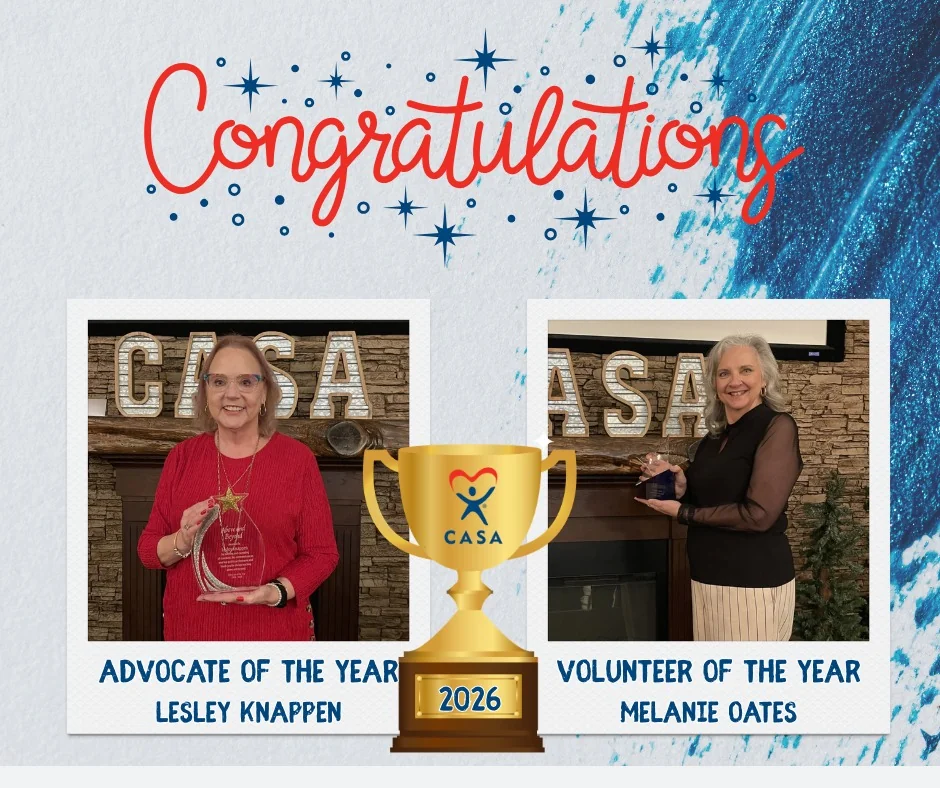
Drake said Knappen’s work reflects the heart of CASA’s mission, describing her commitment to a teen who lacks stable family supports. Drake said Knappen has shown up consistently across placements and hard seasons. “She is his family,” Drake said.
Drake said Knappen also logged more than 4,000 miles over the year while continuing the behind-the-scenes advocacy work that cases require.
Weiser said Volunteer of the Year honors non-advocate volunteers and supporters who help the mission through events and behind-the-scenes service, describing Oates as someone whose “answer is never no.”
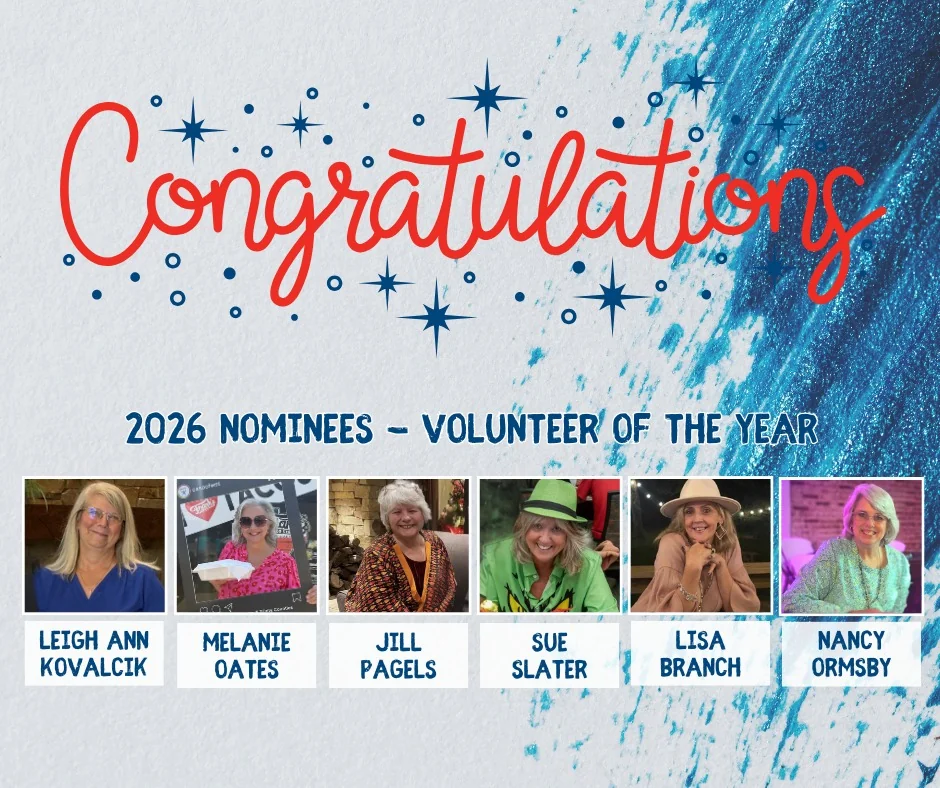
Weiser also listed Volunteer of the Year nominees as:
- Lisa Branch
- Jill Pagels
- Nancy Ormsby
- Sue Slater
- Leigh Ann Kavalick

How to learn more about becoming an advocate
Drake said many advocates wish they had started sooner, especially those who waited until retirement. “That’s always their first word,” she said. “Do it. Do it now.”
Weiser said community support in any form helps sustain the work, whether through volunteering, donating or participating in events. “Everything we talked about today is what all of our donors and our volunteers are supporting,” she said.
About CASA of Walker, San Jacinto & Trinity Counties
CASA of Walker, San Jacinto & Trinity Counties provides trained, court-appointed volunteer advocacy for children in the custody of Children’s Protective Services and works toward a safe, permanent, nurturing home for every child.
The organization serves children who have experienced abuse or neglect and assigns trained community volunteers to advocate for each child’s best interest in court and beyond.
CASA’s office is located at 2515 Pine Shadows Drive in Huntsville. For more information about volunteering, donating or attending a CASA 101 session, visit casaofwalkercounty.org or call 936-291-2272.