

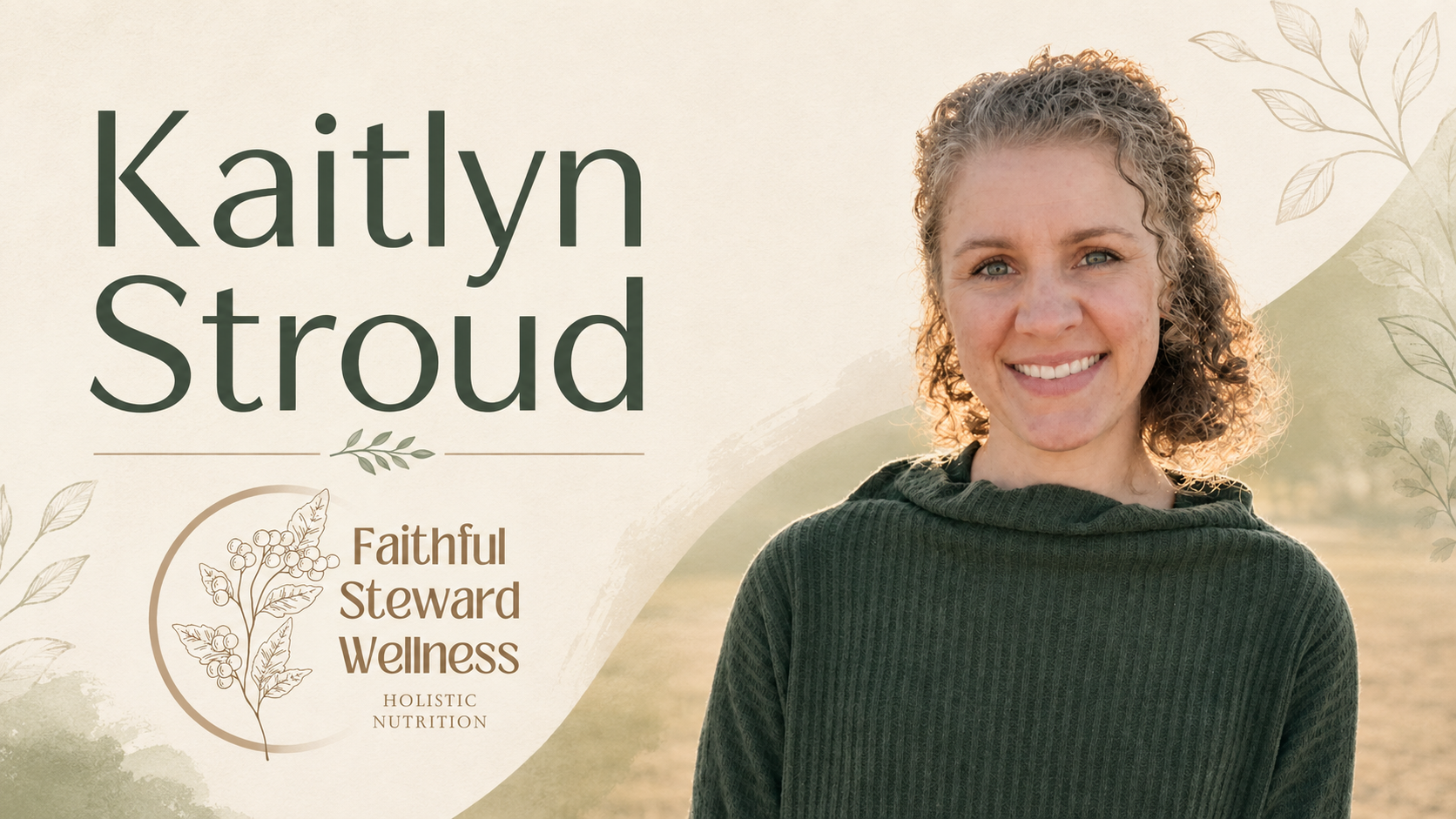
Faithful Steward Wellness uses individual consultations and habit-based coaching to help clients sort through nutrition, sleep and stress concerns.
HUNTSVILLE, Texas. Holistic nutritionist Kaitlyn Stroud is serving Huntsville clients through Faithful Steward Wellness, a coaching practice that develops individualized plans around food, sleep, stress and sustainable daily habits.
Stroud said the practice begins with a clarity call where she gathers information about a client's concerns. Those concerns may include fatigue, cravings, sleep difficulty, stress or challenges maintaining a consistent eating routine. She then identifies a starting point and outlines steps the client can discuss and test.
The service is grounded in Stroud's Christian faith and her belief that caring for physical health can help people remain present for their families and responsibilities. She describes the work as personalized nutrition for Christians who want to steward their bodies well.
Nutrition coaching does not replace diagnosis or treatment from a physician. People experiencing severe fatigue, sudden changes in health, symptoms of cancer or other medical concerns should seek care from a licensed medical professional. Screening decisions should be made with a qualified health care provider using current recommendations and personal risk factors.
Motherhood Redirected a Career Plan
Stroud grew up in West Virginia and came to Texas after her parents moved for work. She enrolled at Sam Houston State University with an interest in criminal justice, psychology and the work of her stepfather, who is a police officer.
Her direction changed after the birth of her oldest daughter. The responsibility of caring for a child prompted Stroud to study food and health, especially after her daughter experienced a dairy allergy. She later completed a nutritional therapy certification and began building a practice around the questions families encounter in daily life.
Stroud and her husband live in Huntsville with their three young children. Her husband has been training for work as a firefighter or emergency medical technician, which has made first responder health a personal concern for the family.
She said the central purpose of her practice is helping people feel better equipped to care for themselves and the people who depend on them. Clients often arrive after encountering a flood of conflicting advice about diets, supplements and restricted foods.
Stroud uses the term bio-individual to explain why she does not expect one plan to work for every person. A strategy that fits one client's schedule, medical history and food preferences may be unrealistic for another. Her coaching process looks for manageable changes that a client can maintain.
Coaching Starts With Symptoms and Daily Patterns
The initial clarity call gives Stroud a picture of a client's routines and stated symptoms. She may begin with meal patterns, sleep practices, stress management or another area that appears to be creating difficulty. The client receives a proposed starting plan and can decide whether to continue into a longer coaching program.
Ongoing support allows the plan to change when an approach does not fit. Stroud said clients can raise questions and work through adjustments instead of attempting to interpret broad online advice alone.
She points to habits as the basis for sustainable work. A plan must function within school schedules, commutes, child care, jobs and other demands. Families who rely heavily on restaurant meals may begin with a small change in meal planning. A client struggling with sleep may need to discuss the problem with a physician while also reviewing routines that affect bedtime and rest.
Stroud also discusses blood sugar as one possible factor in energy and food cravings. Blood sugar symptoms can have many causes, and suspected problems require medical evaluation. A nutrition coach can help a client track meals and habits, while a licensed clinician performs testing, makes a diagnosis and manages medication when needed.
That division of responsibility is particularly important when a client reports falling asleep while driving, persistent exhaustion or other symptoms that could create immediate danger. A coaching plan may complement professional care. It should never delay an examination for sleep disorders, metabolic conditions or other medical causes.
Cancer Risk Requires Evidence and Medical Guidance
Stroud's Aug. 7 discussion also promoted a cancer education fundraiser for a retired Houston firefighter and his wife who had both received cancer diagnoses. The class was scheduled for Aug. 15 at First Baptist Church Huntsville and has already passed.
The subject remains relevant for first responders. The National Institute for Occupational Safety and Health says research shows firefighting can increase the risk of certain cancers because firefighters may encounter smoke and hazardous chemicals. NIOSH operates the National Firefighter Registry for Cancer to study those risks among active, former, retired, career and volunteer firefighters.
Cancer prevention and cancer screening serve related roles. The American Cancer Society says healthy choices involving tobacco, food, activity, body weight, alcohol and ultraviolet exposure can help reduce risk. No lifestyle plan can guarantee that a person will avoid cancer. Age, family history, genetics and occupational exposures can also affect risk.
Screening can find certain cancers before symptoms appear, when treatment may be more successful. Some screening can identify and remove precancerous changes. The American Cancer Society advises people to review personal and family history with a health care professional and follow recommendations appropriate for their age and risk.
Those distinctions protect readers from two common errors. Family history does not make every diagnosis inevitable, and healthy living does not eliminate inherited or environmental risk. Recommended screening remains important even when a person follows a nutritious diet and active routine.
Stroud's role centers on helping clients turn broad wellness goals into daily practices. Medical professionals remain responsible for cancer screening, diagnosis, treatment and advice about symptoms or disease risk.
Faithful Steward Wellness provides information about Stroud's services and consultation process through its website at http://faithfulstewardwellness.com/. Prospective clients should review her credentials, the scope of coaching and any fees before beginning. They should also keep their physician informed when nutrition changes intersect with a medical condition, pregnancy or prescription medication.
Stroud's path from criminal justice student to nutrition coach reflects an interest in helping people through practical problems. Her Huntsville practice now focuses that interest on families who want a clearer plan for food, rest and daily routines while keeping faith at the center of their goals.